
FCITS Defect Library: Blisters, Bubbles, and Bulges
Also Known As
- Localized Bulging
- Bubble Formation
- Raised Spots
- Surface Distortion
- Golf Ball Effect
- Localized Core Expansion
- Blistering (sometimes incorrectly used)
Primary Classification
Condition / Symptom
Definition
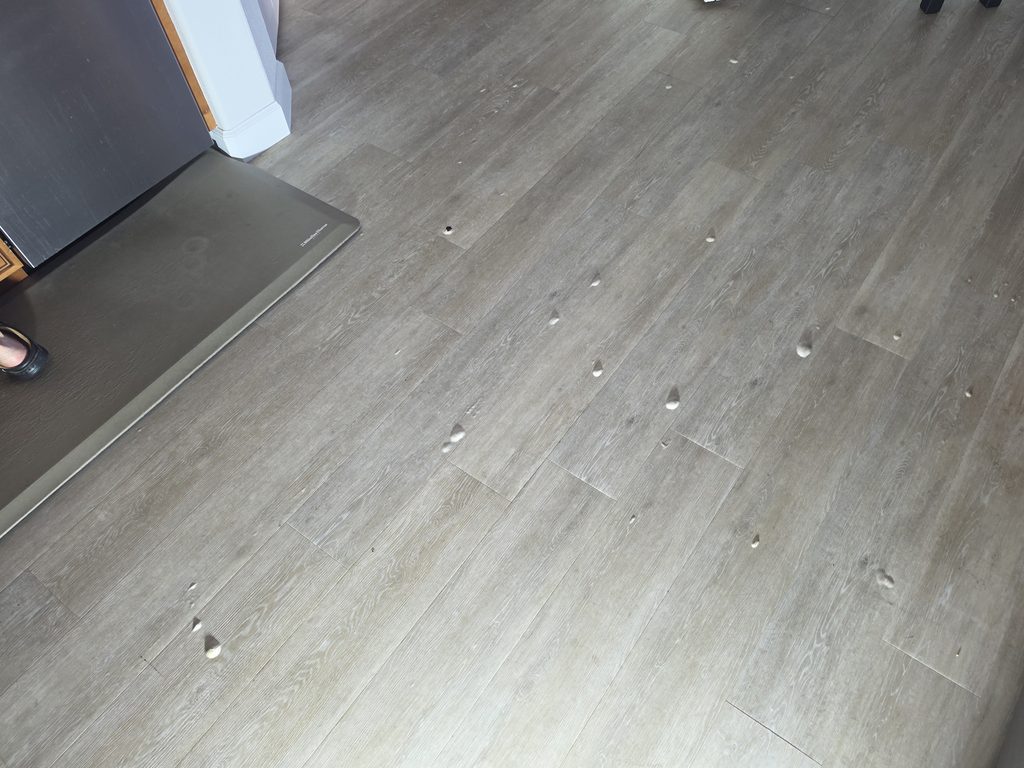
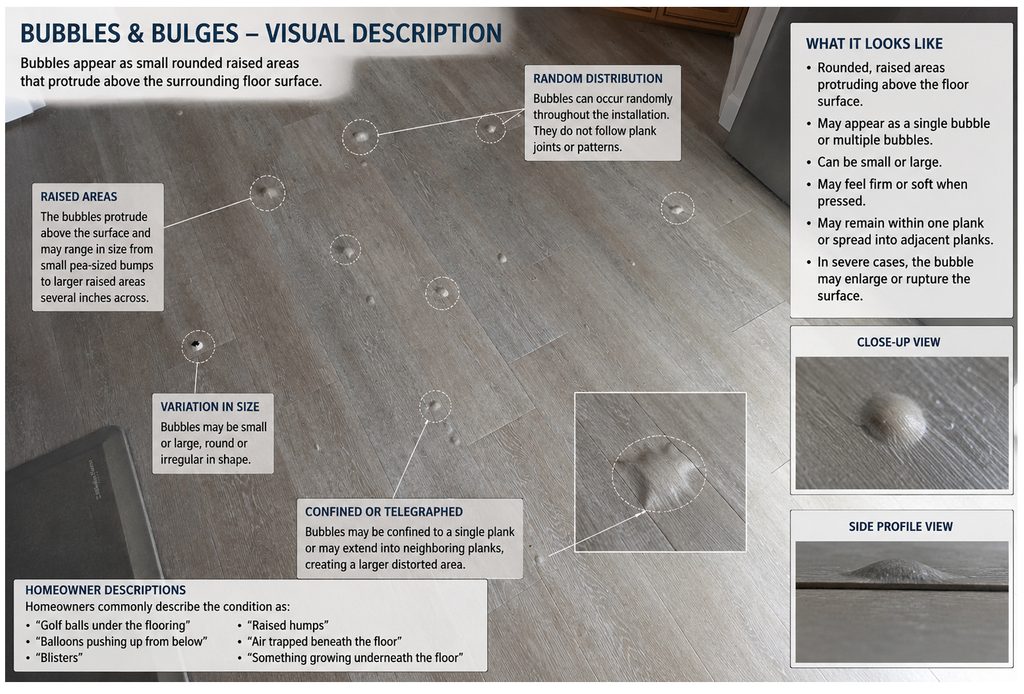
Bubbles & Bulges are localized raised distortions appearing as rounded protrusions within resilient flooring. They are an observable condition rather than a diagnosis. Although they may be associated with moisture, vapor pressure, gas accumulation, substrate preparation failures, manufacturing irregularities, thermal influences, chemical exposure, or underfloor conditions, the visible distortion alone does not identify the underlying cause. The raised area does not necessarily represent where the underlying condition originated.
What Does It Look Like?
- Rounded protrusions
- Localized humps
- Randomly distributed raised areas
- Distortion extending into adjacent flooring
- Surface rupture in severe cases
Homeowners frequently describe the condition as:
- “Bubbles in the floor”
- “Golf balls under the floor”
- “Raised spots”
- “Blisters”
- “Humps”
- “Something pushing up from underneath”
Conditions originating beneath one location may become visible across adjacent planks or tiles.
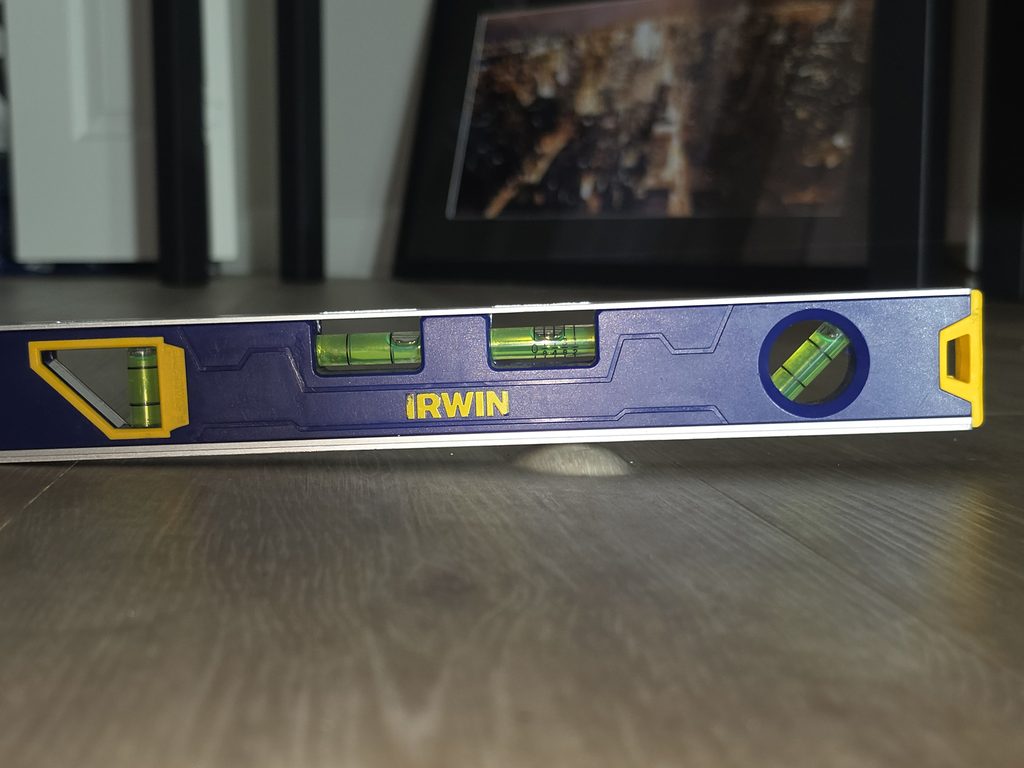
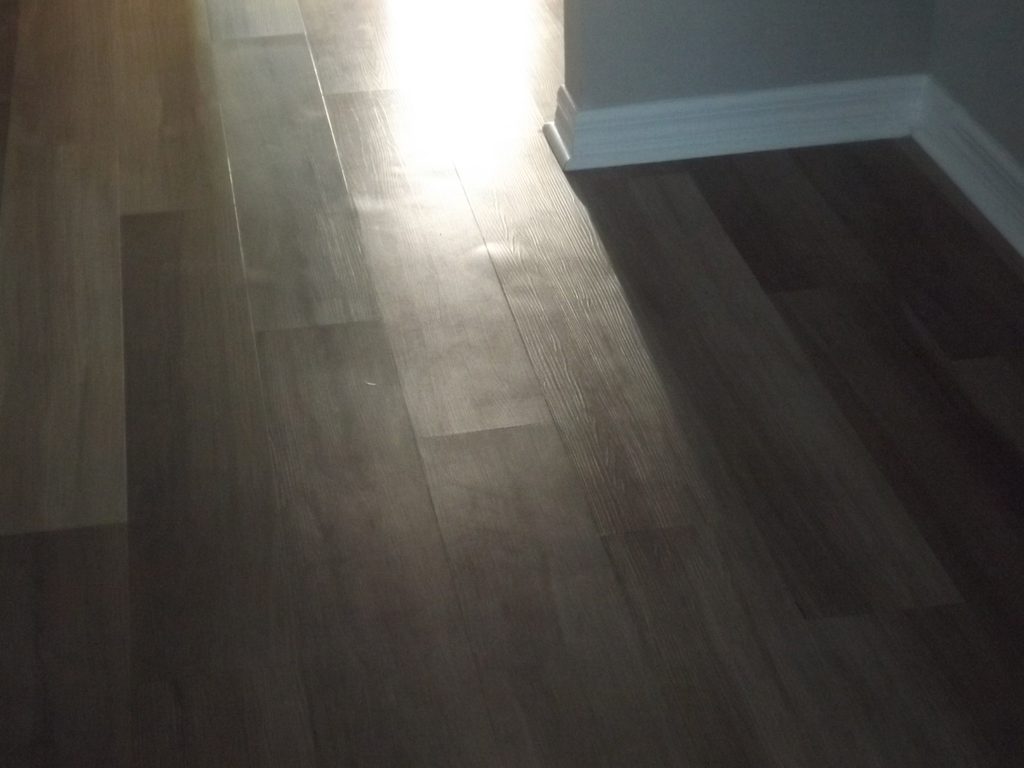
Degree of Severity
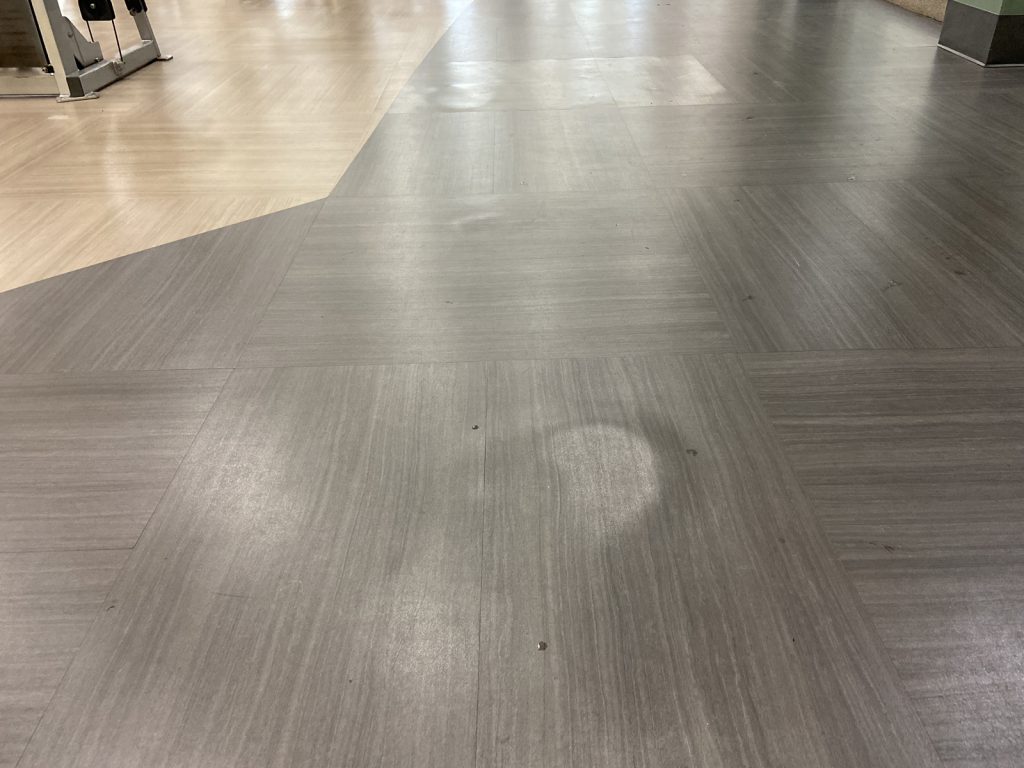
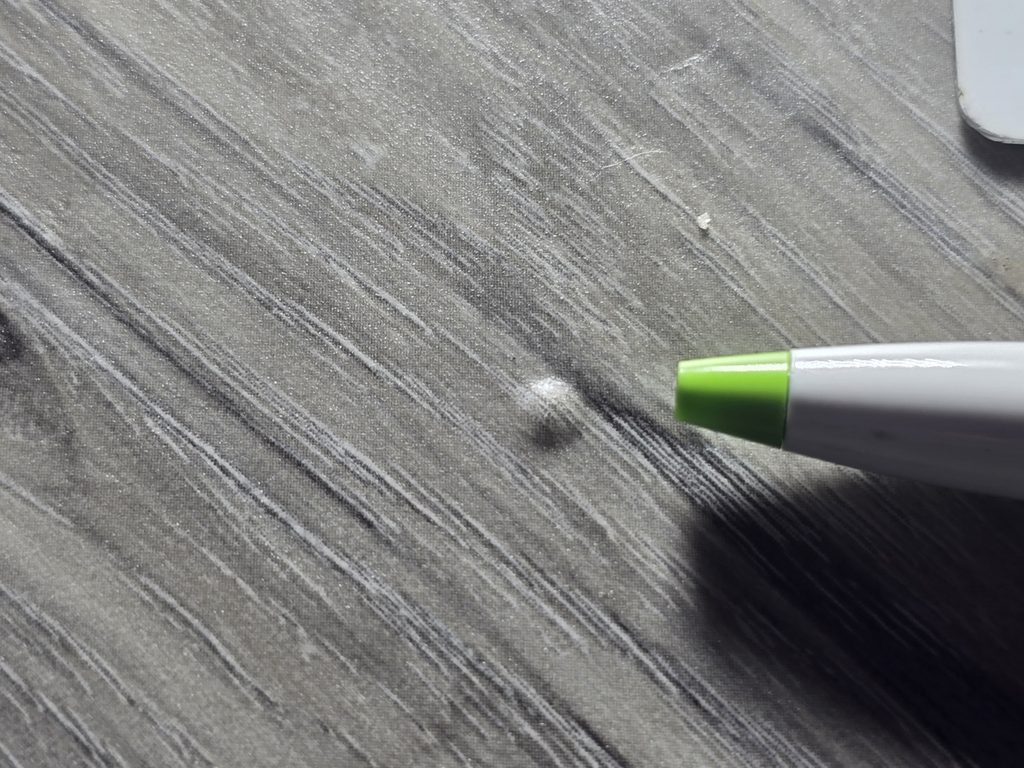
- Minor: Visible under reflected lighting with little effect on serviceability.
- Moderate: Easily visible and noticeable underfoot.
- Severe: Significant distortion, rupture, or permanent deformation affecting appearance and serviceability.
What Causes it:
Bubbles & Bulges are frequently associated with more than one contributing factor.
Moisture Related Conditions
Common Contributing Factors
- Elevated moisture
- Moisture migration
- Foamed cores
Mechanism: Moisture contributes to localized expansion.
Vapor Pressure
Common Contributing Factors
- Concrete moisture vapor
- Impermeable flooring
- Trapped vapor
Mechanism: Pressure beneath flooring creates localized distortion.
Gas Generation / Off-Gassing
Common Contributing Factors
- Manufacturing off-gassing
- Adhesive reactions
- Organic decomposition
Mechanism: Accumulated gases create localized bulging.
Substrate Preparation Material Failure
Common Contributing Factors
- Released patching compounds
- Released feather finish
- Failed levelers
Mechanism: Loss of support contributes to deformation.
Manufacturing Irregularities
Common Contributing Factors
- Voids
- Incomplete bonding
- Material inconsistencies
- Trapped air
- Contamination between the layers
Mechanism:
Construction irregularities contribute to raised areas.
Thermal Influences
Common Contributing Factors
- Elevated temperatures
- Temperature fluctuations
Mechanism: Thermal stress contributes to localized expansion.
Chemical Exposure
Common Contributing Factors
- Solvents
- Contaminants
- Incompatible chemicals
Mechanism: Chemical interaction alters material properties.
Underfloor Conditions
Common Contributing Factors
- Debris
- Trapped air
- Protrusions
- Substrate irregularities
Mechanism: Conditions beneath the floor telegraph through the flooring.
What This Condition Does Not Tell You
- A manufacturing defect
- An installation defect
- A moisture-related failure
- Responsibility
- The specific mechanism responsible
Inspection Considerations
- Evaluate moisture, substrate, product construction and distribution.
- Inspect patching compounds and levelers.
- Document ambient conditions.
- Compare attic stock.
- Consider destructive testing.
The visible limits of the distortion do not necessarily represent the actual limits of the underlying cause.
Common Misdiagnoses
- Subfloor protrusions
- Manufacturing blisters
- Impact damage
- Telegraphing
- Buckling
- Curling
Related Conditions
- Curling
- Edge Lift
- Buckling
- Telegraphing
- Wear Layer Delamination
- Adhesive Failure
- Core Swelling
Typical Findings
- Rounded protrusions
- Random distribution
- Elevated moisture readings
- Foamed cores
- Distortion across adjacent planks
- Released patching compounds
Effect on Performance
- May affect appearance
- May create uneven walking surfaces
- May increase surface damage
- May stress locking mechanisms
- May reduce serviceability
Recommended Documentation
- Wide-angle photographs
- Close-up photographs
- Straightedge measurements
- Moisture readings
- Ambient conditions
- Product identification
- Destructive testing
- Attic stock comparisons
Is It a Manufacturing Defect?
Not necessarily. The appearance alone is insufficient to determine responsibility.
Photo/Video Gallery
Summary
Blisters, Bubbles & Bulges are localized raised distortions within resilient flooring. Potential contributors include moisture, vapor pressure, gas accumulation, substrate preparation failures, manufacturing irregularities, thermal influences, chemical exposure, and underfloor conditions. Proper diagnosis requires evaluation of the flooring system, substrate, environmental conditions, and supporting evidence.