
Shifting Floors: How Gen Z Is Redefining Store Culture
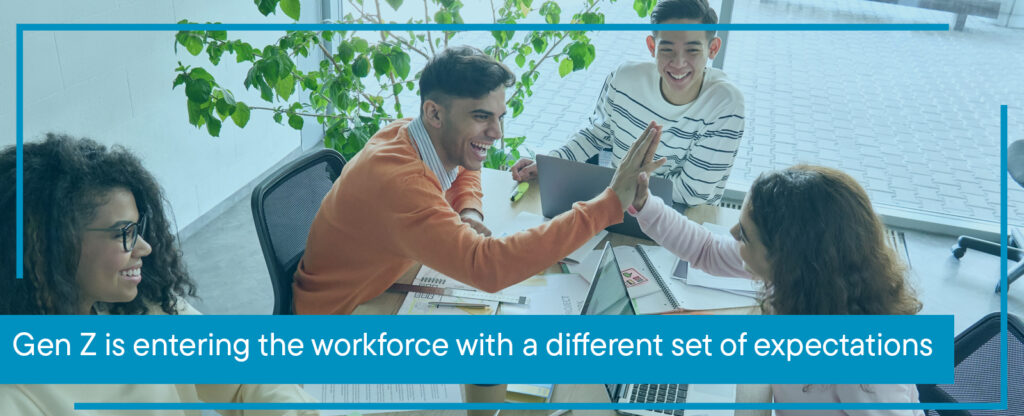
Gen Z is entering the workforce with a different set of expectations—shaped by growing up in a digital world and coming of age during global uncertainty. They prioritize flexibility, learning, and values alignment in ways that may feel unfamiliar, but offer new opportunities for business growth.
As TED speaker Amanda Schneider explains, Gen Z isn’t trying to tear down what came before—they’re responding to today’s realities by seeking more flexibility, clarity, and purpose in their work.
For independent flooring retailers, this shift isn’t just about attracting younger hires. It’s a real opportunity to rethink how you lead, communicate, and shape your store culture from the inside out.
Unlike Millennials, Gen Z grew up fully immersed in the internet age. They’ve watched older generations face job loss, burnout, and instability—and they’re determined to approach work with clearer boundaries and greater purpose.
As of 2025, Gen Z now makes up more than 25% of the global workforce (McKinsey). They care less about titles and more about learning, growth, and shared values. Like every generation, Gen Z is bringing its own perspective—and encouraging businesses to lead with greater clarity, intention, and adaptability.
What Gen Z Looks For—And How You Can Respond
You don’t need a big HR team to connect with Gen Z. Build a culture that’s clear, intentional, and growth-focused. Small changes can make a big difference:
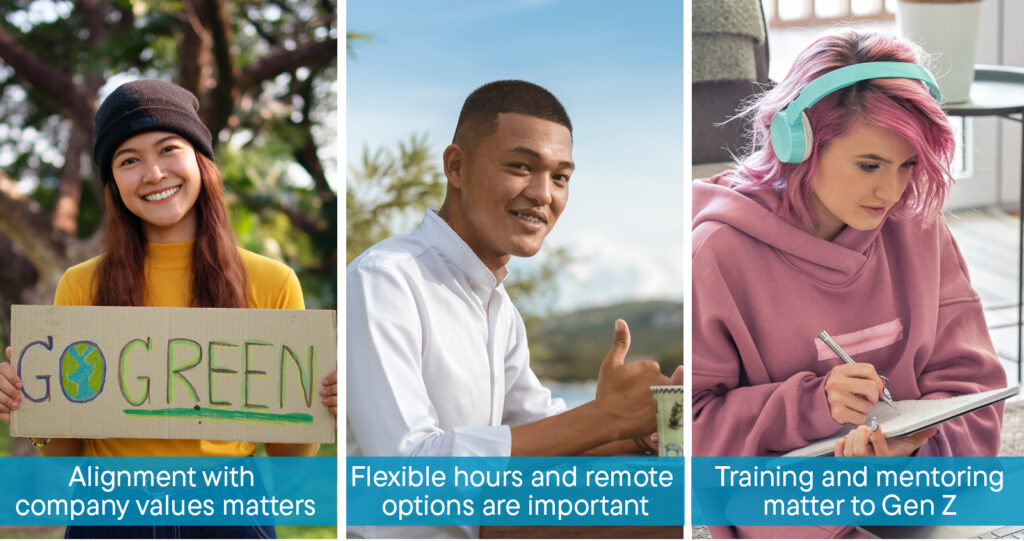
- Make your values visible. 77% of Gen Z employees say alignment with company values matters (Deloitte). Share yours openly and often.
- Create career roadmaps. Even informal milestones help Gen Z understand what success looks like.
- Prioritize learning. 70% say they’re building new skills weekly. Offer mentoring, microlearning, or hands-on projects.
- Offer flexible hours. Full remote may not work, but staggered starts or rotating weekends can help.
- Give ownership early. Let them lead a display reset, manage social media, or shadow estimates.
- Provide real-time feedback. Eliminate annual performance reviews. Use short, direct coaching—and invite their input too.
- Support well-being. Over half of Gen Z women have missed work due to stress (Ipsos). A little empathy goes a long way.
- Encourage peer learning. They thrive on collaboration. Let team members share tools or tips.
- Recognize effort publicly. A quick shoutout can mean more than a formal review.
- Design meaningful spaces. Clean, collaborative environments help reinforce your culture.
Tips for Leading Across Generations
Retailers today manage a mix of Boomers, Gen X, Millennials, and Gen Z—each with different preferences. Knowing how they communicate and learn helps you lead more effectively.
| Category | Boomers | Gen X | Millennials | Gen Z |
| Feedback | Formal reviews | Results-focused | Mentorship | Real-time coaching |
| Communication | In-person, phone | Phone, email | Text, messaging | Messaging, video chat |
| Learning Style | Printed guides | Step-by-step docs | Collaborative, online | Short video, mobile-first |
One practical tool that works across generations is a simple “Workstyle Snapshot.” During onboarding, jot down things like feedback preferences, learning style, and best way to communicate. It’s a small step that can prevent miscommunication and help you coach more effectively, without needing a formal HR system.
Understanding Gen Z’s Communication Style
You may have seen the “Gen Z stare”—a blank look that’s gone viral on TikTok. Some see it as disengagement, but it may simply reflect a more reserved, digital-first style.
Many Gen Z workers began during the pandemic and missed out on face-to-face interaction. That stare? It might be their version of focused listening.
Instead of judging by outdated norms, learn their cues—and build trust by meeting them where they are.
Subcontractors Notice Culture Too
Even if your installers are subcontractors, your store’s culture still matters. Gen Z subs value professionalism, clear expectations, and timely communication, but they also want to feel a sense of belonging. A respectful, well-run environment builds trust, fosters connection, and keeps them coming back.
Small Shifts, Big Impact
As Boomers retire and labor shortages grow, Gen Z will shape the future of your workforce. They expect progress, purpose, and strong leadership, and meeting those expectations benefits everyone.
You don’t need to overhaul your business. Just lead with intention. A little structure, consistent feedback, and openness to change can go a long way.
The next generation is ready to contribute—and a culture that blends experience with openness may be the reason they choose to grow with your business.